


As autumn wraps its rusty-reds and chestnut-browns around the countryside, I’m looking into the landscape for winter thrushes.
Most of us are familiar with Blackbirds and Song Thrushes, but we're in the midst of an avian influx of their Scandinavian and Siberian cousins. Each winter we receive 100s and 1,000s of Fieldfares and Redwings that take refuge here from the harsher weather of northern Europe.
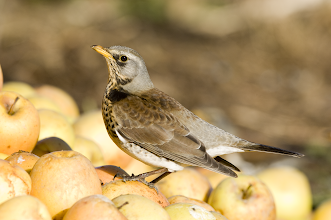
It’s odd to me that these winter thrushes go largely unnoticed, especially as both species are gregarious and noisy. The best places to look for them around Rye are the orchards of Iden and Peasmarsh, but you can see them most places where there are berry-laden bushes next to pasture. The trees and shrubs along Station Road, Winchelsea and the hedgerows heading out onto Walland Marsh are favoured haunts. But if we get a cold snap later into winter, as fruit supplies dwindle, they can turn up almost anywhere, with - Redwings at least - even coming to your garden.
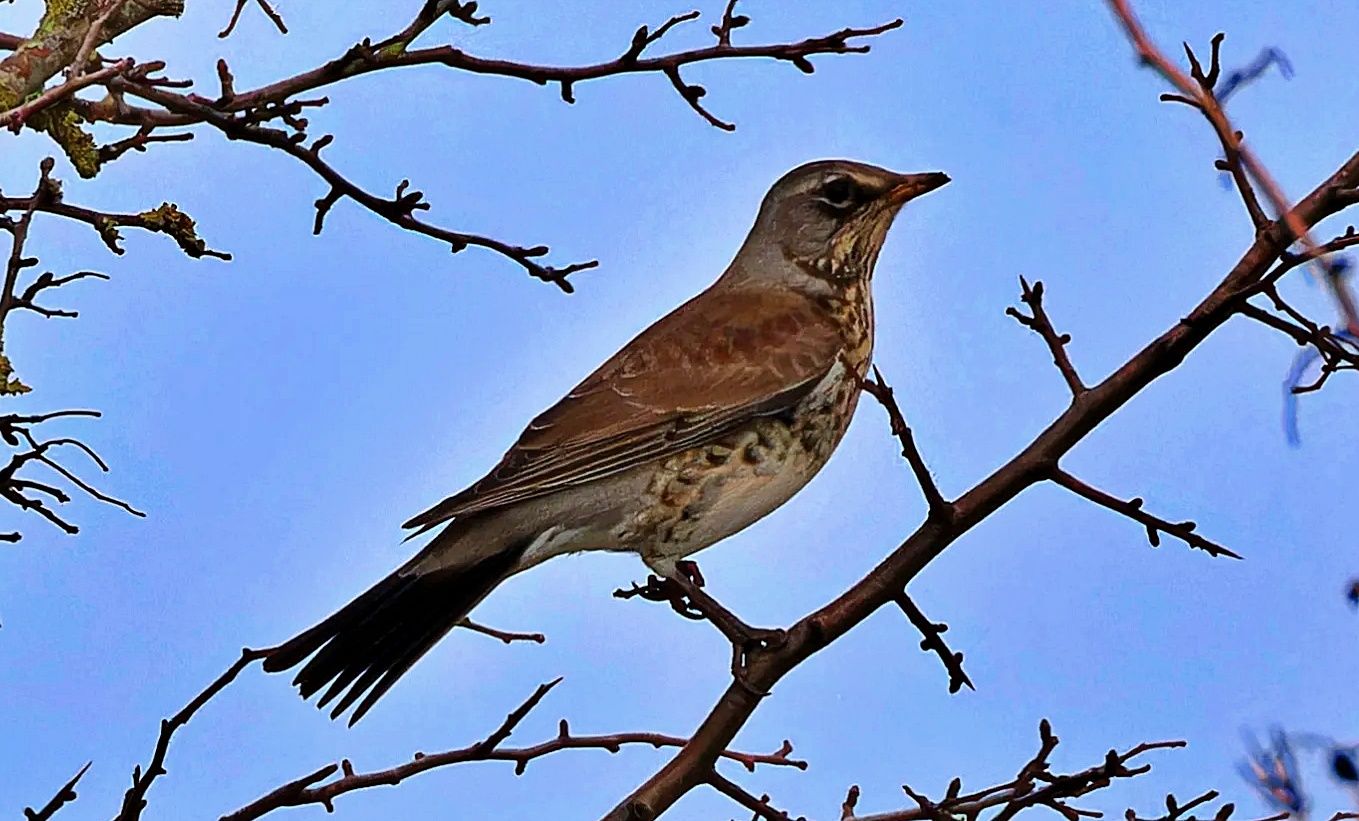
Fieldfares are intensely beautiful birds, far more handsome than a largely grey and brown bird ought to be. They have bonfire-burnt orange chests and intricate dark chevron-speckled flanks. Soon they'll be strung out along leafless branches, waiting for something to happen, something that I can't see, before dropping to the ground as one, cackling and chuckling about some secret they’re keeping.
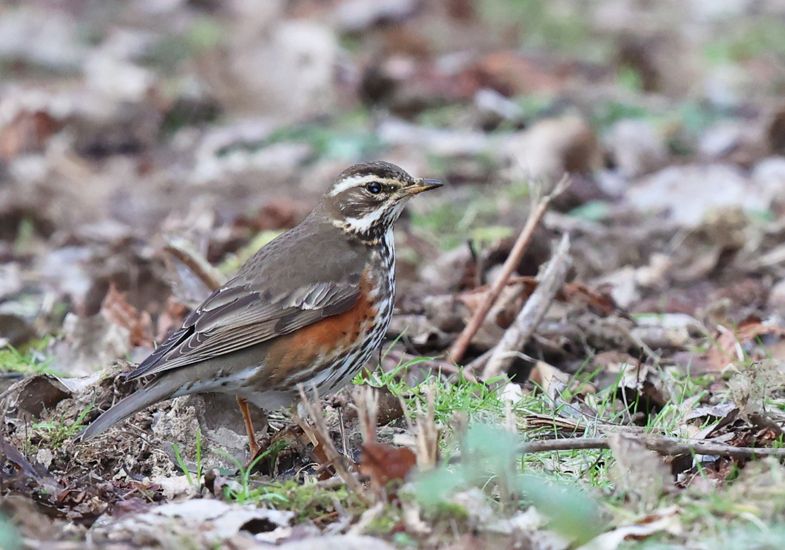
Redwings are small, dark thrushes with a bold cream stripe over their eyes. A bloody brick-red stain seeps from the base of their underwing. After dark, autumn birders might be seen lurking by backdoors and on patios, listening for the distinctive ’seep’ calls as they pile in from colder climes at night. If the temperature dips and food gets scarce they will lose their usual shy, skittish introversion and move closer to humans to look for food.
Our winter thrushes match the classiest autumn colour combos and seem sent to cheer us on the gloomiest of days to come. Yet they are largely ignored, hiding in plain sight. If only we would open our eyes and see them.


