


Autumn, as viewed through the panoramic windows of Rye Harbour Nature Reserve’s Discovery Centre, is in particularly fine fettle. The wetland area is tucked in beneath a blanket of mist, yet teeming with bird life. Some are permanent residents. Others, like the exotic Spoonbill, can be seen for just the next few months. Lapwing and Golden Plover also visit at this time of year, and can sometimes be spotted in their hundreds.
So it is an apt time for bestselling author Kate Mosse to drop in at the Discovery Centre to sign copies of her new book Autumn: The Story of a Season, and to talk about why this season is her favourite time of year.
When she was approached to write the book as part of a series on the seasons, she assumed that she had been offered her first-choice. “Everyone knows that autumn contains the best months,” Mosse says with a wry smile. The three other best-selling authors writing in the series had assumed the same.
“Michael Morpurgo called to apologise for ‘nabbing’ spring,” Mosse says. “I told him that I couldn’t be happier. Then I heard from Val McDermid. I thought it was a bit cheeky that she stole a month from autumn and a month from spring for her book on winter. She explained it was because Scottish winters are so much longer.”
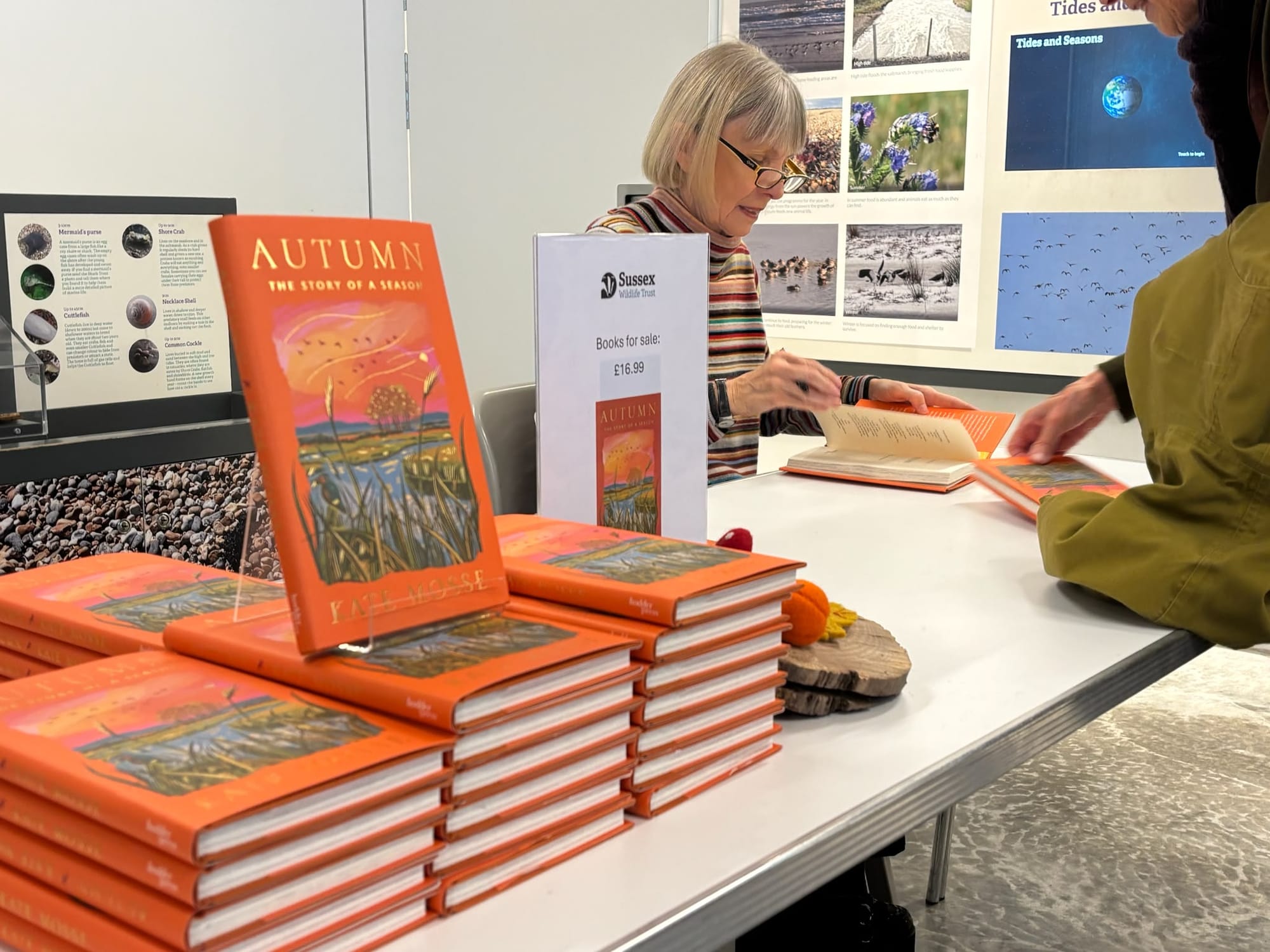
So why is Kate Mosse so enamoured by autumn? One might assume from the move she made in her earlier life to Carcassonne, South-West France, that she doesn’t like the cold. Carcassonne, of course, is the setting for her smash-hit novel Labyrinth, which has sold eight million copies globally.
“It’s that autumn has always seemed like the season of possibility and renewal,” she explains. “It’s the start of the new school year. Another opportunity to reinvent yourself. To be anyone you like.”
You might say that Mosse reinvented herself as a best-selling author in her forties. And she spent years away from Sussex first at university, then living in Carcassonne. Yet it has always been Fishbourne, near Chichester in West Sussex, that has given her a sense of belonging.
“I grew up playing on the marshes,” she says. “I love their wonderful bleakness.”
“When I was young,” she continues, “I resented that I felt I belonged somewhere so strongly. Now I’m older, I see it as an incredible privilege to feel you belong somewhere. You don’t have to have been born there to feel it. Some find that place for themselves.”
So what does an author famed for her ability to capture a sense of place think about Rye? How would she go about conveying that sense in her art?
“I think what’s interesting about Rye is that it has a very pretty centre, but it’s quite small. I imagine it could feel quite claustrophobic. Yet it’s surrounded by such a vast expanse of open space. I find that interesting.”
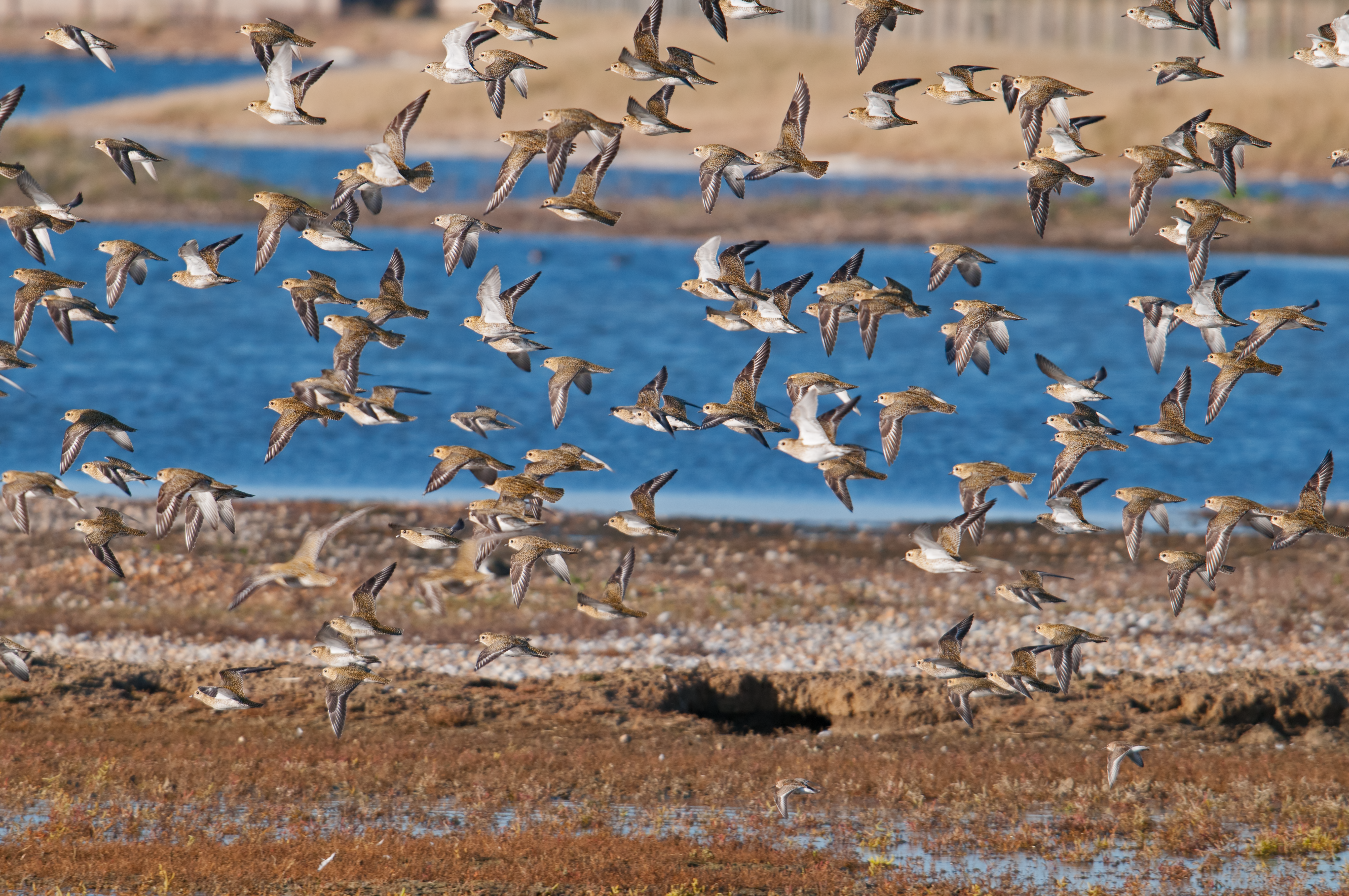
Rye Harbour Nature Reserve is, of course, one of those vast open areas, a unique intermission between land and sea. It's the type of place where, as Kate Mosse puts it, you can look “beyond the hurly burly of everyday life,” and “connect to the enduring.”
Her recommendation? “Don’t listen to a podcast. Don’t make a phone call. Just give yourself time to stand and stare.”
By: Simon Huntington


