


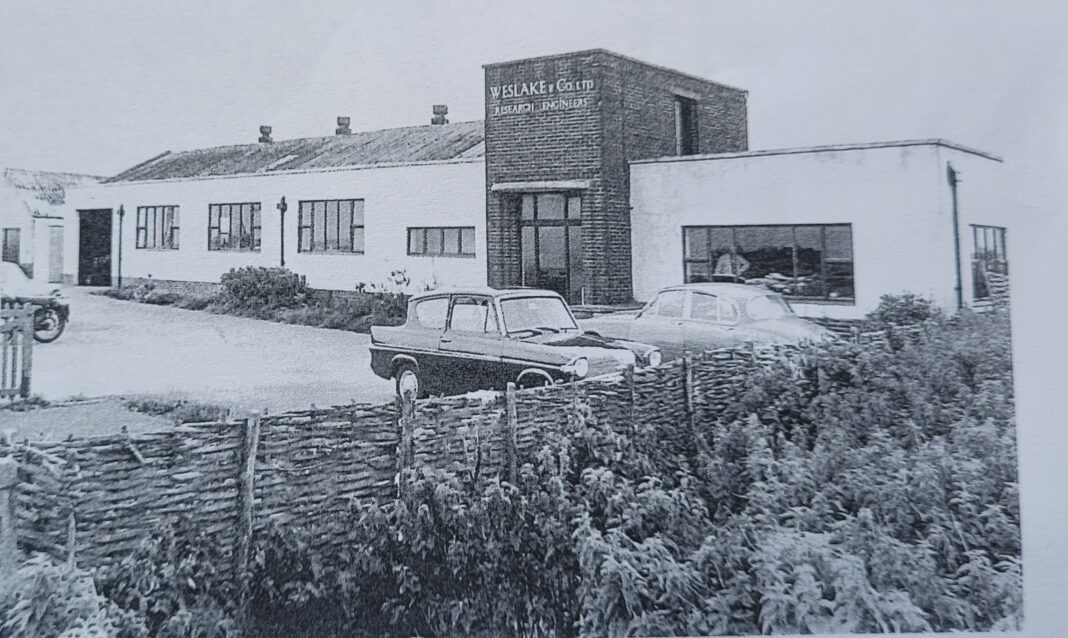
Weslake, the engineering company founded by Harry Weslake, has a story worth telling and not just for its most notable achievement: designing the V12 engine for Dan Gurney’s All American Racers Formula One car, the Eagle Mk1, from its workshops in Weslake Reserch laboratory in Harbour Road, Rye.
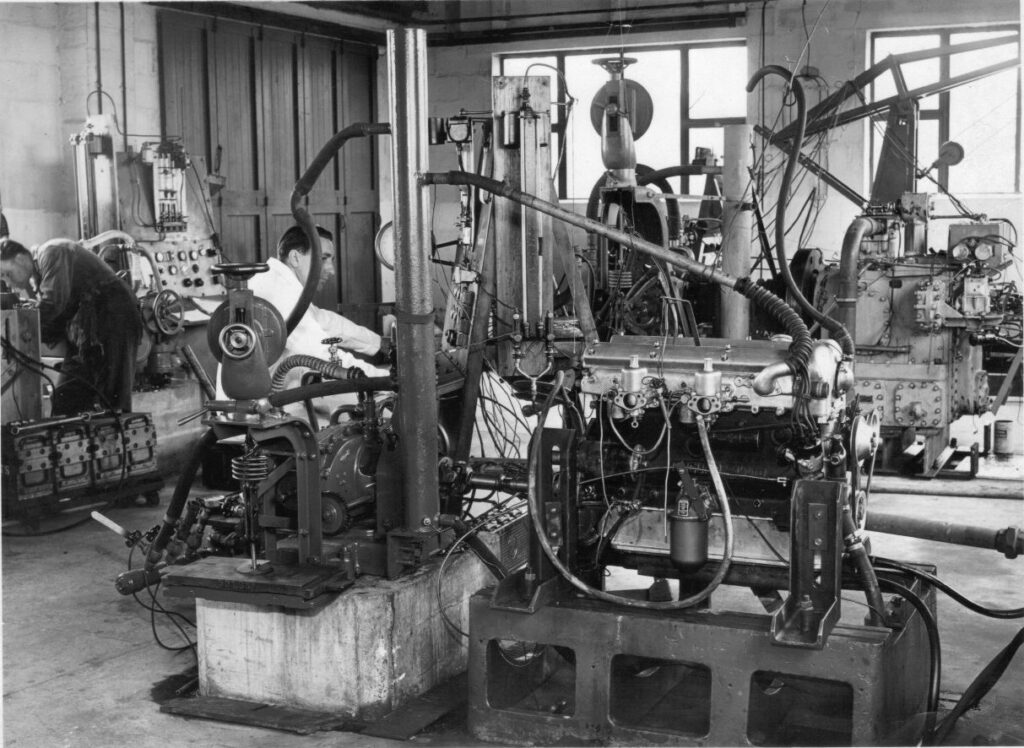
Harry Weslake was an expert in gas flow and cylinder head design having built his reputation by designing, refining and testing motorcycle and car engines for Bentley, Jaguar, Vanwall, Ford and other British motor industry giants. In 1947 he set up his research facility in Rye designing car, motorbike, aircraft and boat engines under the name of Weslake & Co.
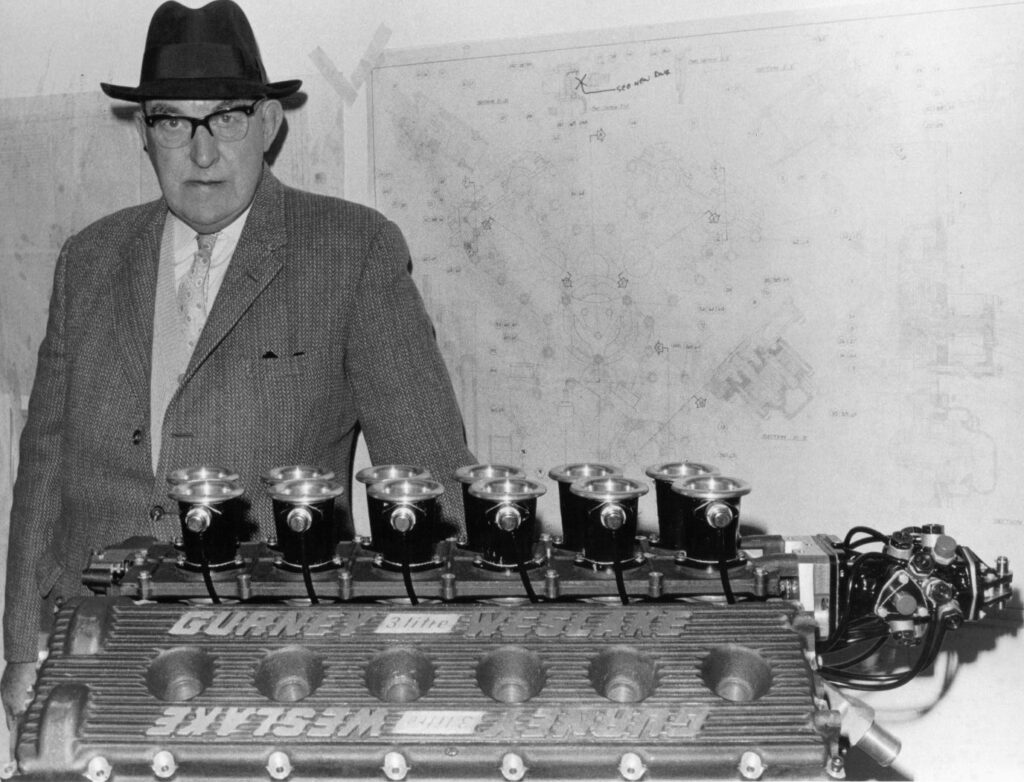
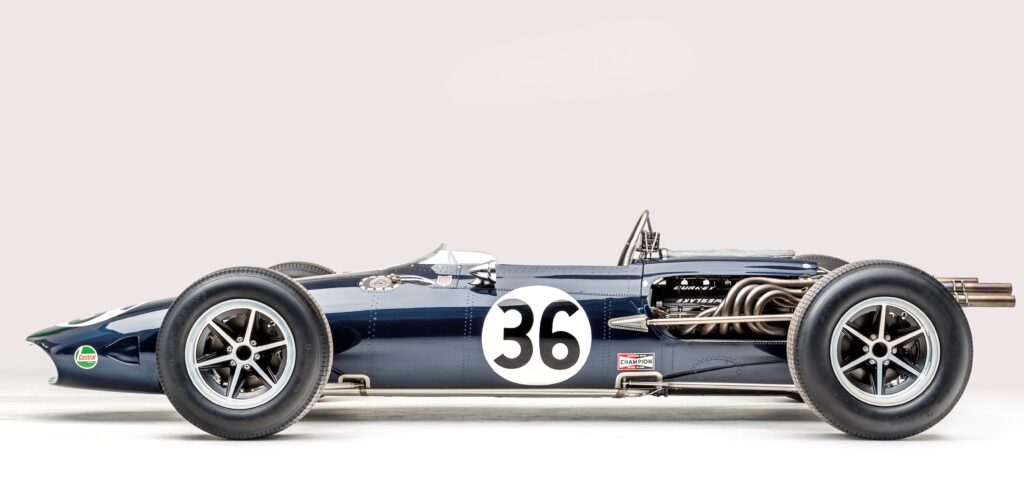
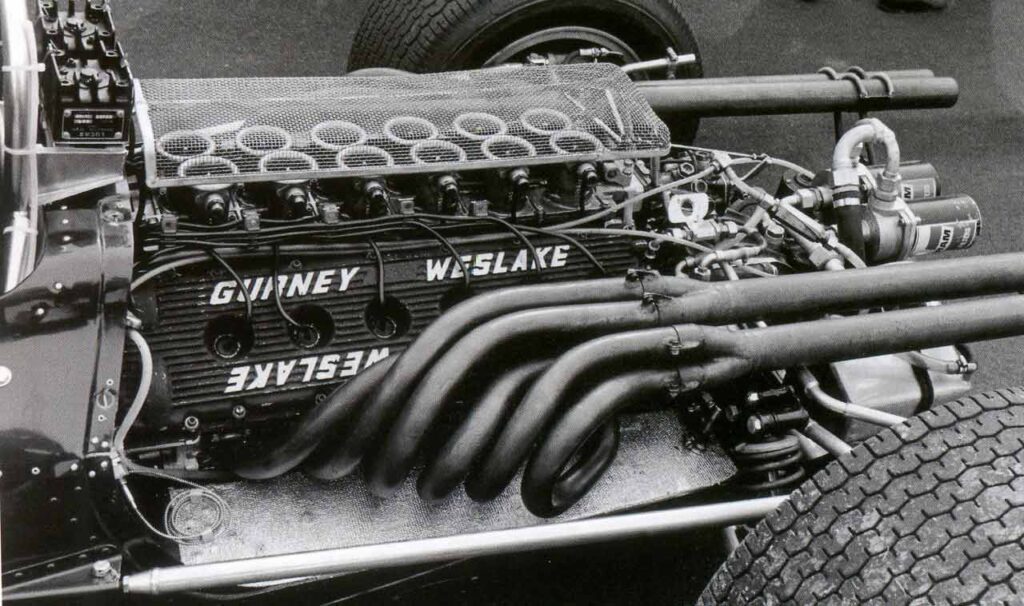
In the mid 60s, the American motor racing driver, Dan Gurney, wanted to build racing cars for his All American Racers to challenge Ferrari, BRM and others. He commissioned Weslake to build a 3.0-litre V12 Formula One engine, designed by Aubrey Wood, for his Eagle Mk1.
Mike Camier, who grew up in Rye and rode on Weslake speedway bikes in the 1980s and is researching the history of the company, has always been fascinated by Weslake. “As a young boy growing up in sixties Rye, I was always intrigued by the sounds of engines being pushed to the limits and which motor racing or motor-cycle racing celebrity might be visiting Weslakes in Harbour Road. If I was exceedingly lucky I might even catch a glimpse of what I consider to be one of the most beautiful race cars ever built, the AAR Eagle.”
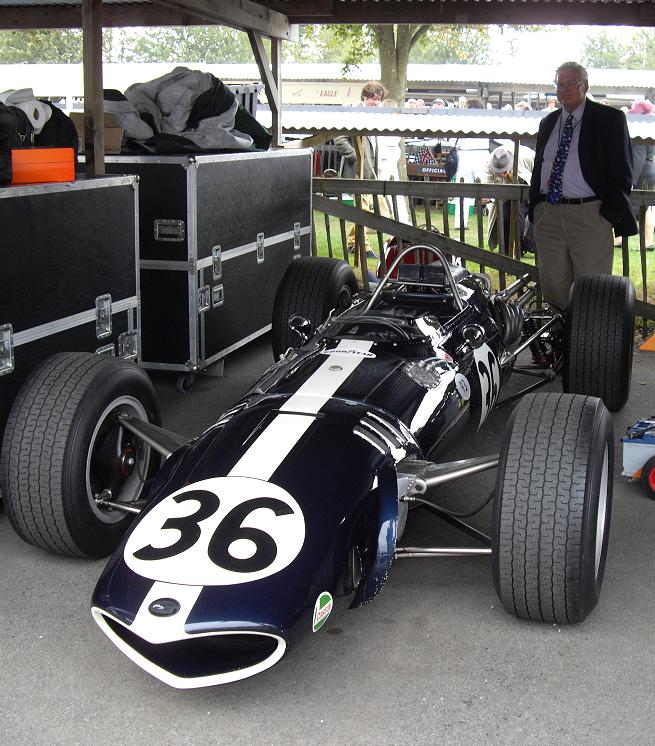
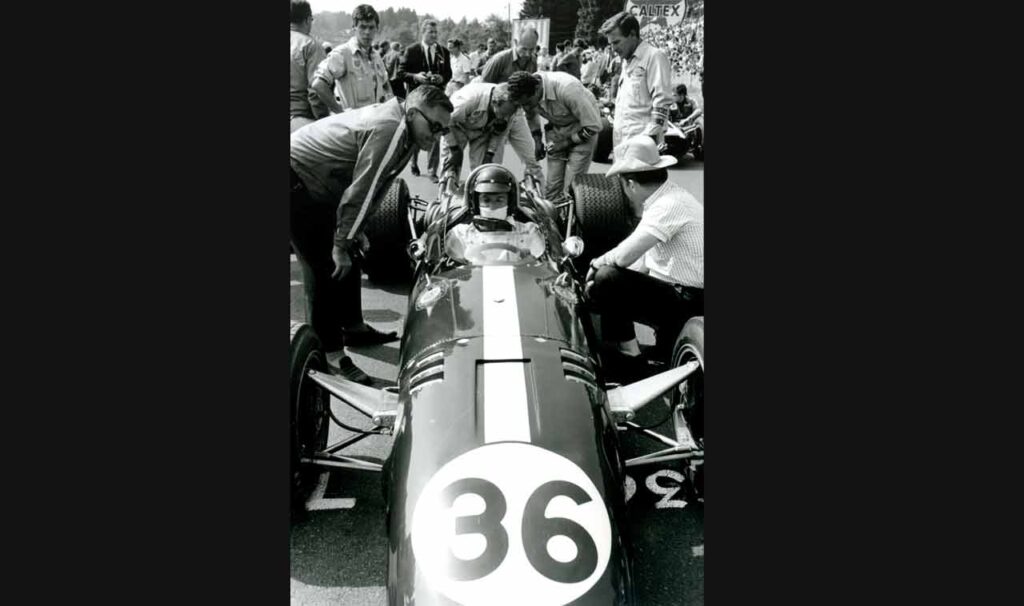
Dan Gurney explained, “When the first car appeared in Zandvoort at the Dutch Grand Prix in 1967, it received a lot of admiring stares from the public and the experts and was showered with publicity. It was, and remains, an aesthetically beautiful racing machine. The nose shape, which is probably the single most identifying aspect of the car, was something that I worked out with Len Terry, our chief designer. Of course it says ‘Eagle’, it is the vestigial beak of an Eagle. This was something that caught the fancy of the motorsports designers and the public.”
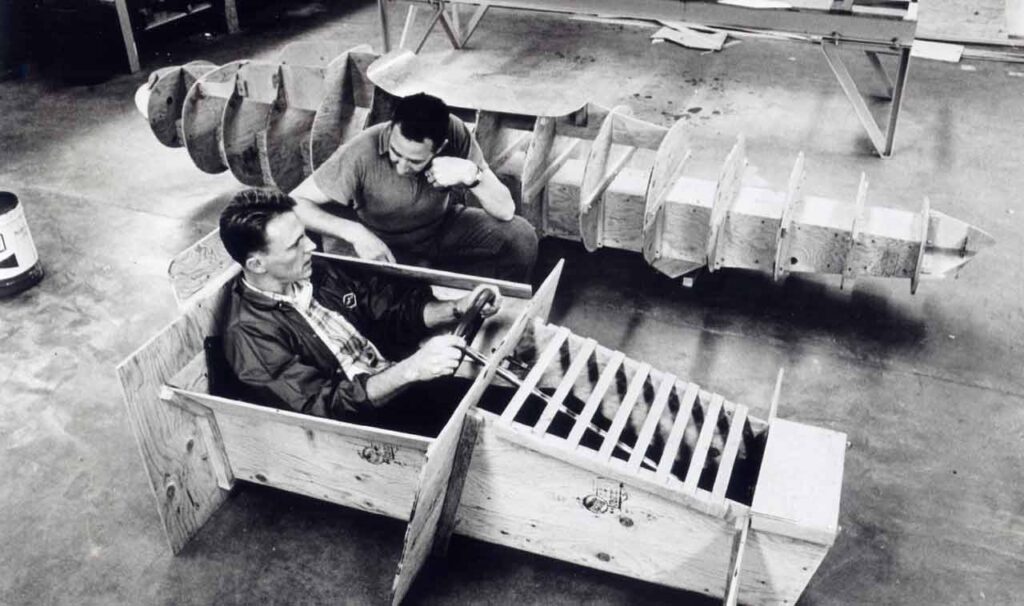
Dan Gurney wrote, “The car was designed, constructed and assembled in Santa Ana, California by my company, All American Racers, which I had founded in 1965 with Carroll Shelby as my partner. ( I subsequently bought Shelby out and have been sole owner of AAR for more than 30 years). Sometimes I read that the car was built in England by AAR’s European subsidiary Anglo American Racers. This is not true. Anglo American Racers represented the racing team traveling with the car to the circuits and maintaining and preparing the car at our shop in Rye. We had no manufacturing facilities over there and never intended to build the car anywhere else but at home in Santa Ana, California.”
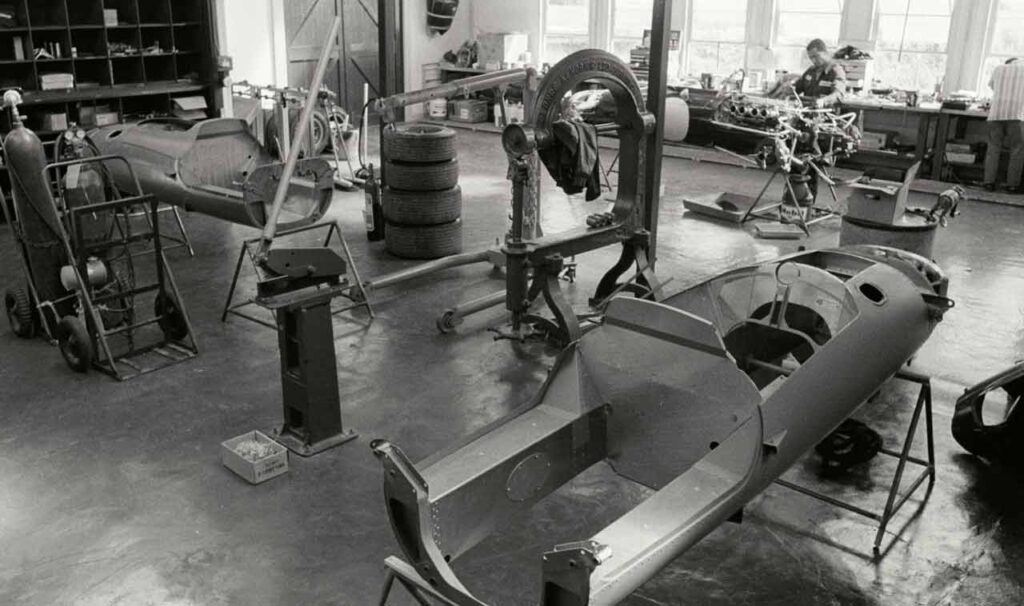
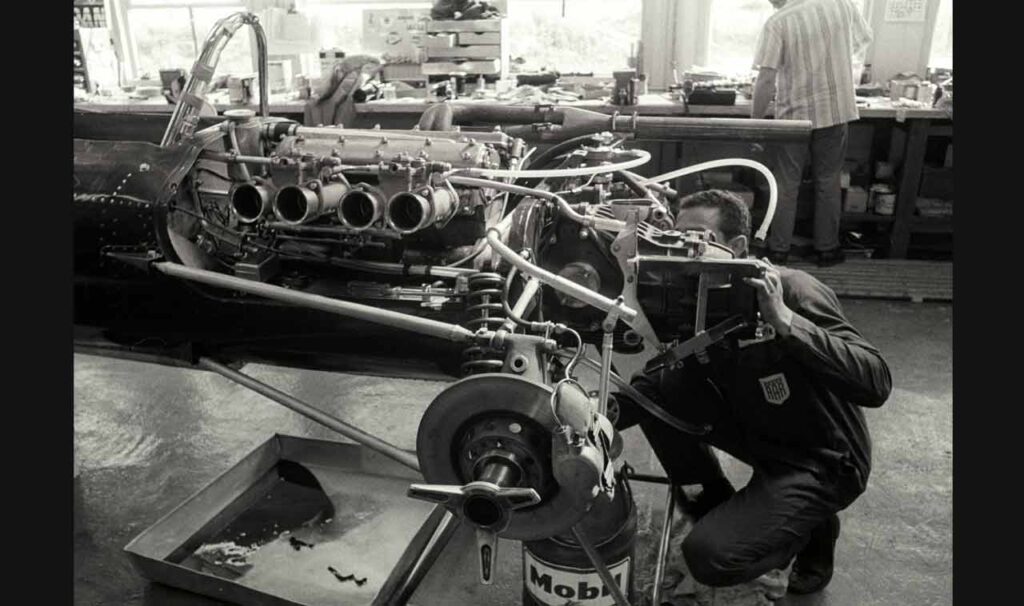
The Gurney-Weslake collaboration’s success was proved when Dan Gurney won the 1967 Race of Champions at Brands Hatch followed by the high point for the Eagle-Weslake team- winning the Belgian Grand Prix at Spa-Francorchamps on 18 June 1967 (see the Rye News story Rye’s Grand Prix Secret)
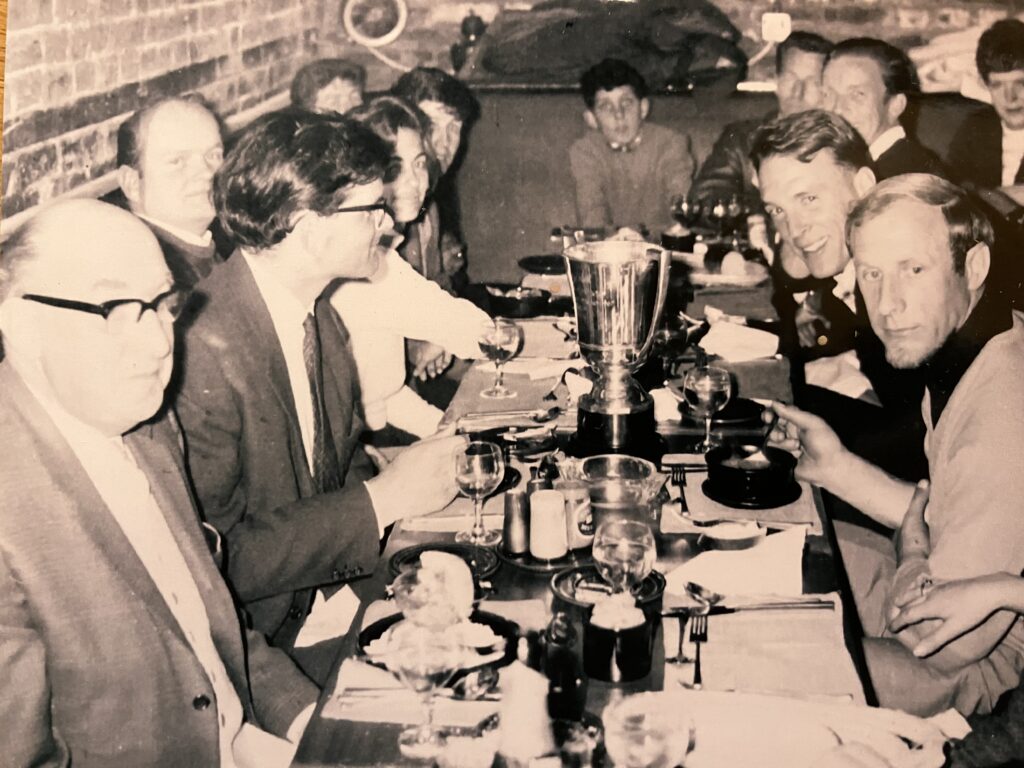
There is one photograph that records both the personal and historical importance of the Weslake Eagle contribution to engineering and racing history in the town: that of the team at the Forge restaurant in Rye, celebrating the victory of Gurney at the Race of Champions at Brands Hatch in 1967 with the trophy on the table. On the left: Harry Weslake, Bill Dunne, Michael Daniel and Caroline Dunne. On the right is Mike Lowman, with Dan Gurney leaning forward and smiling next to him. Behind Gurney is team driver Richie Ginther and team mechanic Tim Wall. The designer of the car, Len Terry, was there but not in the picture. The photo was kindly supplied by the owner of the Forge at the time, Derek Bayntun.
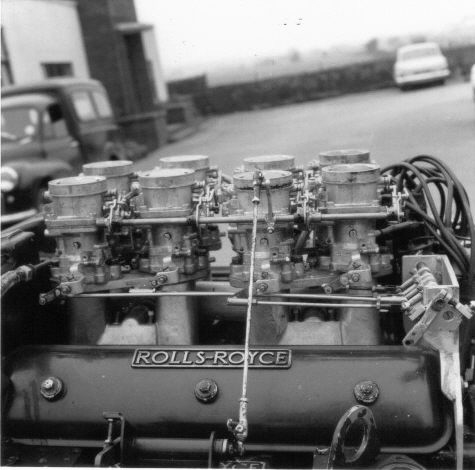
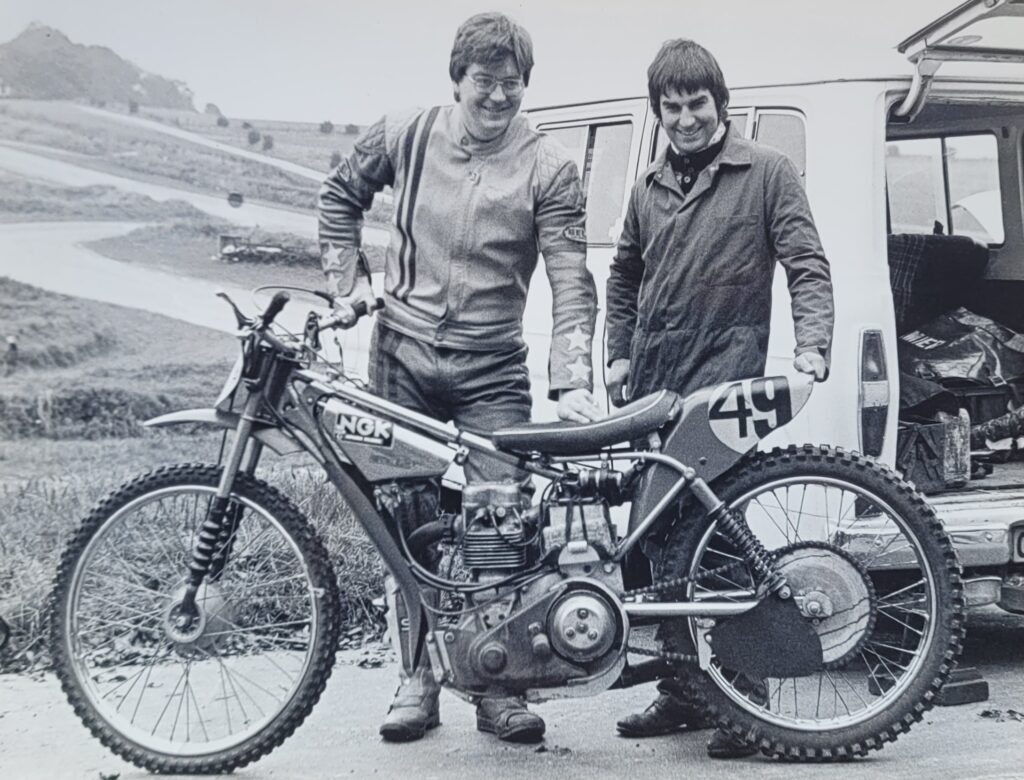
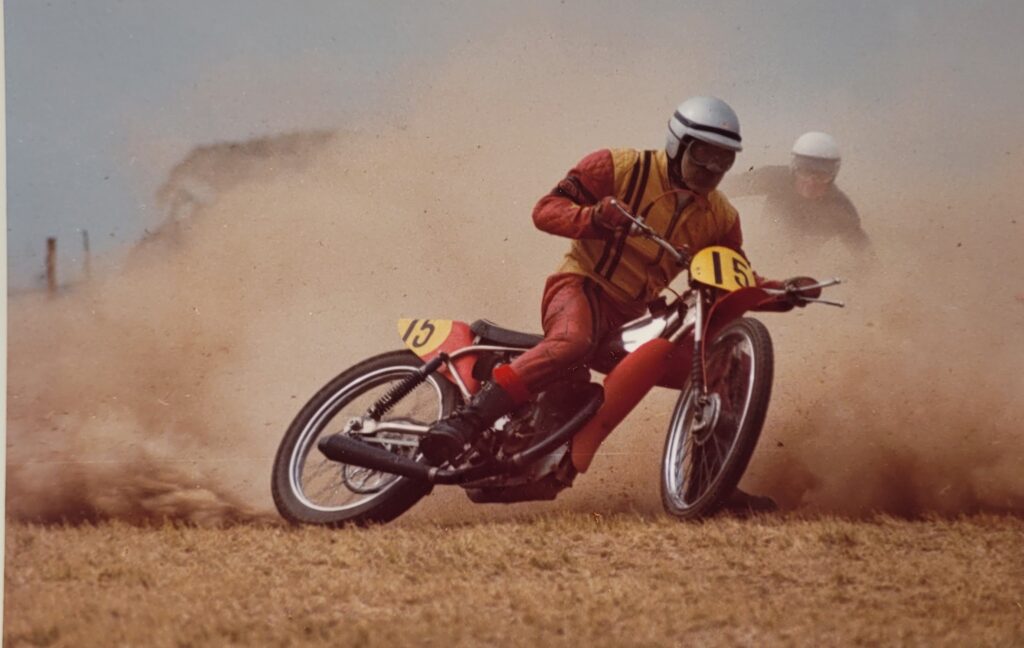
Mike Camier “Notwithstanding the exciting motor racing story, we must not forget the phenomenal success of the Weslake speedway engine. An engine which dominated the exciting sport of motor-cycle speedway globally for many years. Culminating in winning the Individual World Speedway Championship with Peter Collins in 1976. The first of many major successes in the sport. An engine that I was lucky enough to be able to race in that era.”
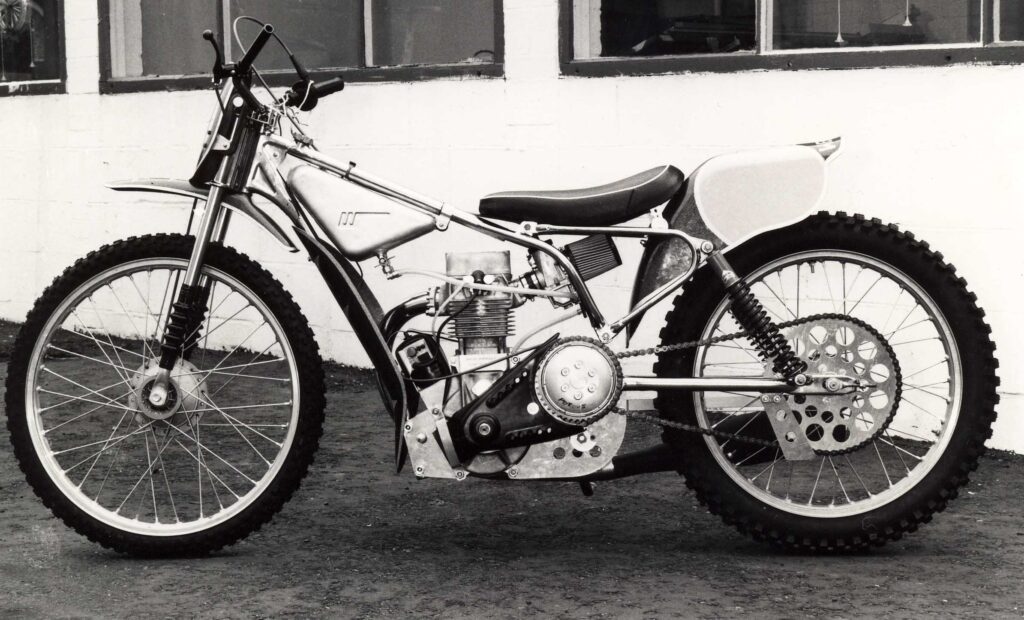
In 1978 Harry Weslake died of a heart attack, at the age of 81, whilst attending World Speedway Championships at Wembley where Weslake engined speedway bikes took second, third, fourth and fifth place.
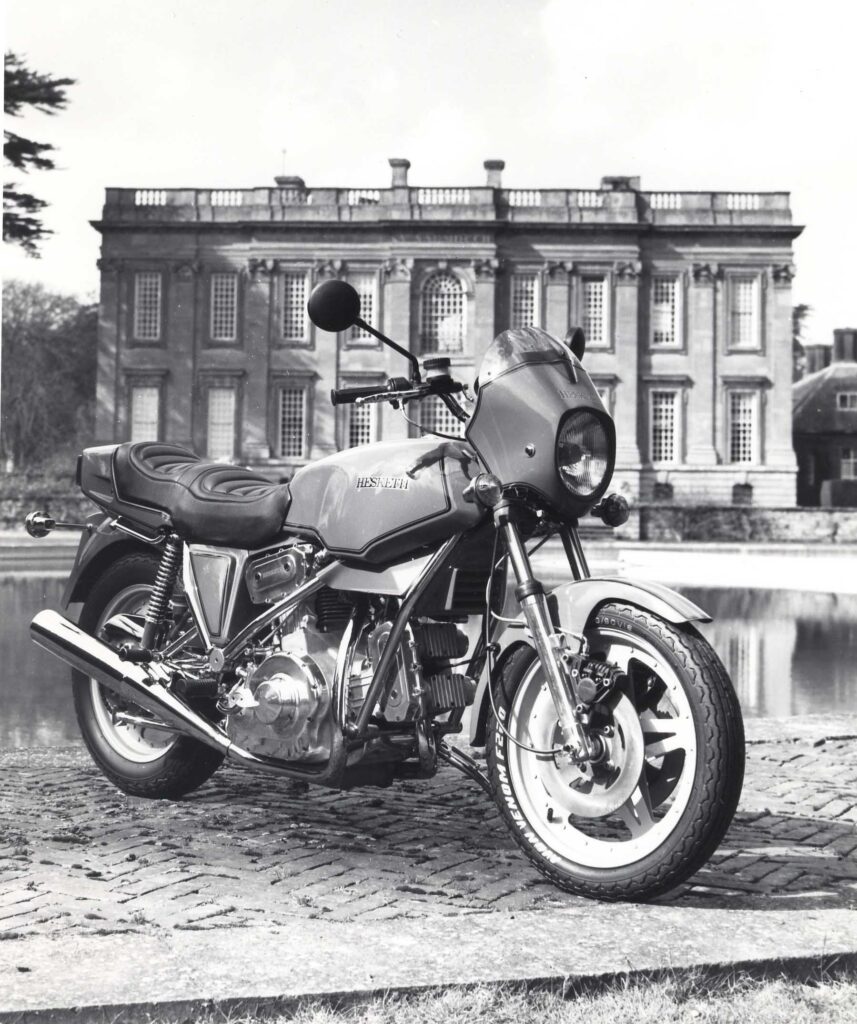
The Weslake & Co company continued in Rye until October 1983 when it called in the receivers. One of the directors, Brian Lovell used the name to set up Weslake Developments soon after and this traded until around 1990. It was based at Jempson warehouses in Winchelsea Road in two of the ex-Farnborough units concentrating on engine research for motor and engine industries, light aircraft and the MOD. Later there were 30 employees and the site included four engine test cells, workshops and office. The company continued to research, build and test engines for car, truck, aircraft firms and the MOD.
In 1984, Harry’s stepson, Michael Daniel, who had been the managing director of Weslake & Co set up again with most of the original Weslake team in the Harbour Road facility, naming the company Emdair Ltd. This relocated to Guestling and was renamed Weslake Air Services focussing on light aircraft and airship engines.
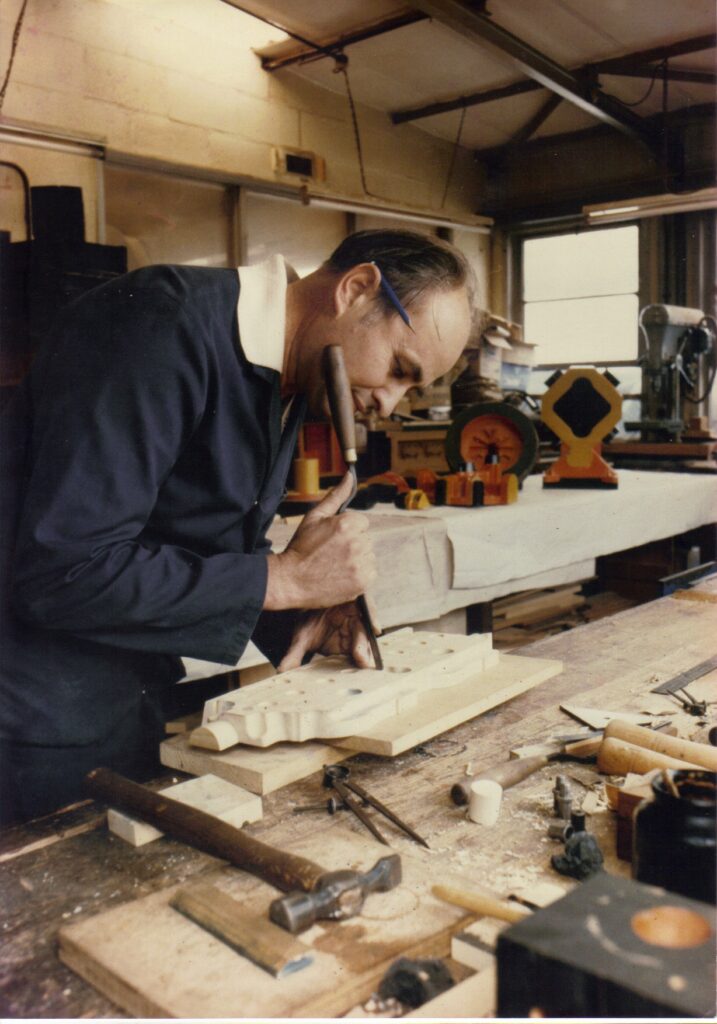
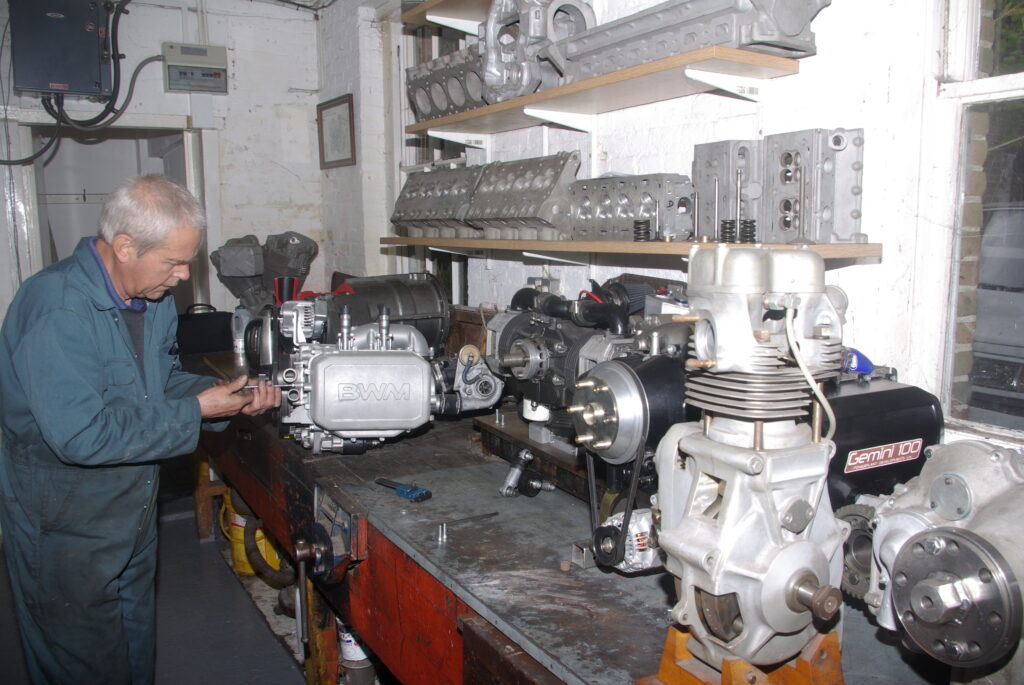
Weslake are still alive and well and presently quietly designing and testing a range of engines for light aircraft and outboard applications. These will be announced once development has been completed.
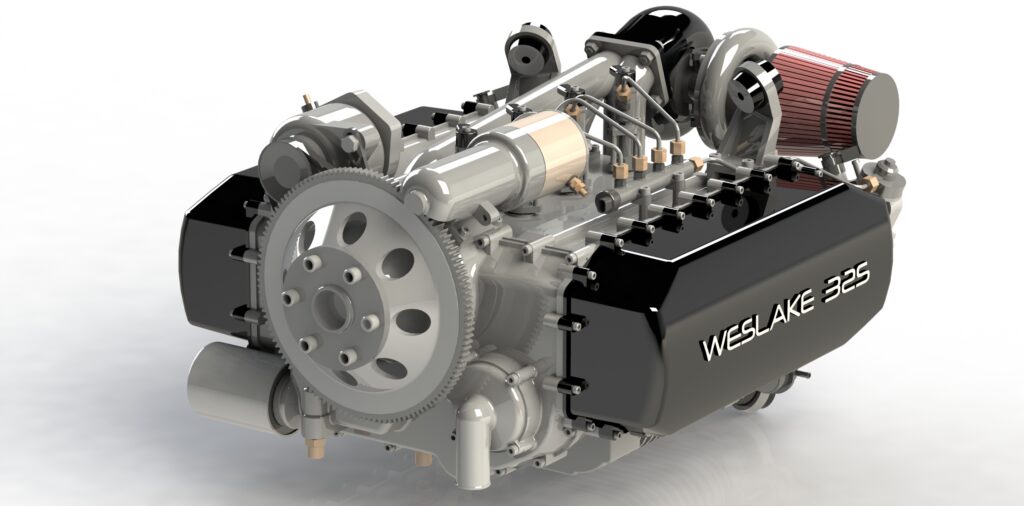
Mike Camier is surprised that so little has been done by the town to officially acknowledge the successes of the company (there is a blue plaque to Harry Weslake in Exeter where he was born but none here). “Perhaps this is a prime opportunity to ask how our town or council might celebrate the achievements of Weslake & Co research engineers and the links to the many famous race teams during the latter half of the last century. After all 2027 marks the 60th anniversary of that Formula One win, whilst it is 50 years this September since a Weslake engine was used to secure that first individual World Speedway Championship.”
If anyone has a story to tell, had family working at Weslakes or as part of the Formula 1 and speedway engine projects, Mike Camier would like to hear from you. He is happy to be contacted at mike.camier@icloud.com
The site of Weslake & Co on Rye Harbour Road is now named Weslake Industrial Park.
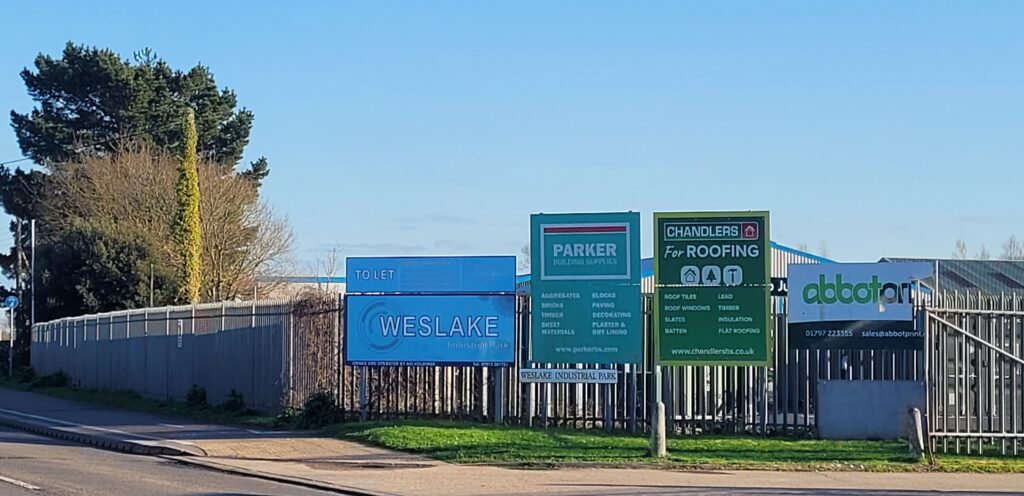
Image Credits: Weslake , AAR , All American Racers , Mike Camier , Juliet Duff .
Pity there is no mention of Weslake’s involvement in the development of postwar Norton motorcycle engines. Manx Norton’s were a dominant force in motorcycle racing from 1947 through to the early 60s, in part due to Weslake & Co. Notable racers such as Geoff Duke, John Surtees (arguably the greatest racer of all time, world champion on 2 and 4 wheels), Harold Daniell, Mike Hailwood, Bob McIntire among others all raced Manx Nortons at some point in their careers.
Wouldn’t it be great if Rye town council and Rye Heritage centre were to collaborate with The National Motorcycle Museum, VMCC (vintage motorcycle club) and Norton Owners Club (they even have a Sussex branch) to organise an 80th anniversary celebration. Fill the Strand Quay up with Manx Nortons! If it goes well, hold an event every year.
Rod, it is these stories that need to be remembered and passed on. Sadly many of the generation that were working at Weslake’s during the ‘heydays’ are no longer with us to tell the stories.
This sounds like a great idea which I, as the current Mayor, of Rye, would like to support, and will put it to the Town Council with Councillor Chris Hoggart, the current Deputy Mayor who will take over as Mayor of Rye on 4th May 2026, for it’s support.
Most of us have driven a car with an engine with Harry Weslake’s considerable input without even knowing it. He worked on the development of the BMC A and B series engines that were manufactured between 1951 and 2000. Over 15 million A series engines alone were built during that period. They powered the Mini, Austin A30/35, 1100s, Austin Healey Sprite and MG Midget. The B series went into MGA/Bs, Morris Oxfords, London taxis – the list is endless. He certainly deserves more recognition for his singular contribution to the British car industry.
Gasson’s supplied tarpaulins and other such materials to Westlakes. I loved going round the works. Mr Weslake’s work on Jaguar was very beneficial to my Father who bought, I believe, marks VIII and IX from him.
The photo of the Weslake team at The Forge restaurant brought back memories. Harry and Mary were regular patrons when, as a student in the 1970s, I spent several vacations there as a waiter under Derek Bayntun’s tutelage. A photo of my ma and pa celebrating a landmark anniversary at the Forge has a backdrop painting of one of Harry W’s formula 1 cars. I think of those days whenever I guiltily treat myself to a burger from ‘Big Guys’ that now occupies the Forge site!
Having been privileged to have work at Lynx Cars, Hastings in the late 1980’s, I was ‘rubbing shoulders’ with many very talented engineers who hailed from Weslakes, including Derek May (photographed in the article).
We had a customers silver Jaguar D Type that had been fitted with a V12 Weslake engine. The engine was magnesium alloy and many of the components has corroded beyond repair. Under the forensic project management of Tim Card – an immensely talented engine builder who was apprenticed at Weslake – the V12 slowly came to life!
It was an incredible day when the car was started and driven for the first time! Our ‘test’ track was along the Queensway in Hastings. It was awesome to hear a formula 1 V12 engine, in a very lightweight car, being driven at speed, you could hear it for miles!!
This article gives light to an incredible group of engineers brought together by Harry and, developing significant automotive engineering.
Thank for sharing this article with us!
Thanks for the excellent article and photographs. I was fortunate to work at Weslake from 1975 to 1978 and remember John Louis, Malcolm Simmons and other speedway riders visiting the factory. I also remember Bill Currie who was the works rider for the Weslake twin in a sidecar outfit, Bill sadly died at the IoM TT in 2011 and also John Hobbs with his two Weslake engine drag bike the ‘Hobbit’. Great times!
I frequently drive past the Westlake site in my Morris Cowley which has a 1622 B series engine with Westlake designed head, be nice to see some recognition for the great man, long overdue.
I wonder how the current residents of the town would have put up with the noise, I worked in Rock Channel and the constant engine noise could heard most days, I don’t remember anyone complaining, it was just Westlake’s testing their engines, it what they did.
My memories of Weslakes was a trip organised via the Union Inn to Le Mans around 1970 or earlier. I wasn’t that interested in motor racing but the company had entered a Ford Capri with a Weslake engine as I remember. A very long coach trip with lots of the Weslake workers and mates.
Hope someone will comment!
My late brother had a Ford Escort RS1600 which had engine number 11 that was designed and tuned by Weslakes. It was an incredibly fast and powerful car for a 1600, it had an ignition cutout that meant it wouldn’t go faster than 120 mph.
Always fun to pull up at traffic lights and out accelerate any other car!!