


I’ve always been ambivalent towards the ‘right to roam’ movement, which might seem odd for someone who’s idea of extreme fun is walking long distances in the countryside. But, I’ve always felt that we have an extensive rights of way network and that you can get to most places you’d wish to by sticking to the path.
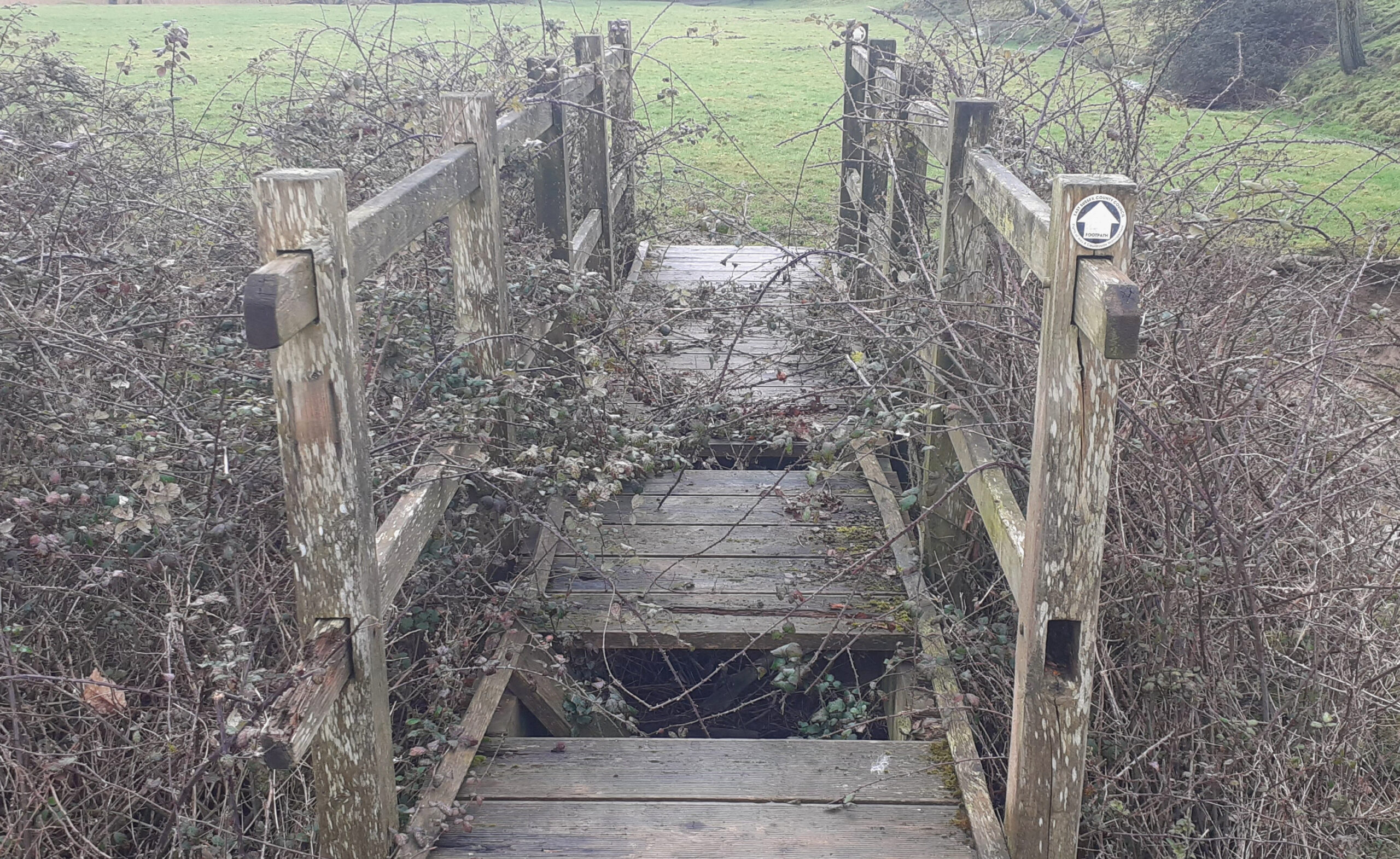
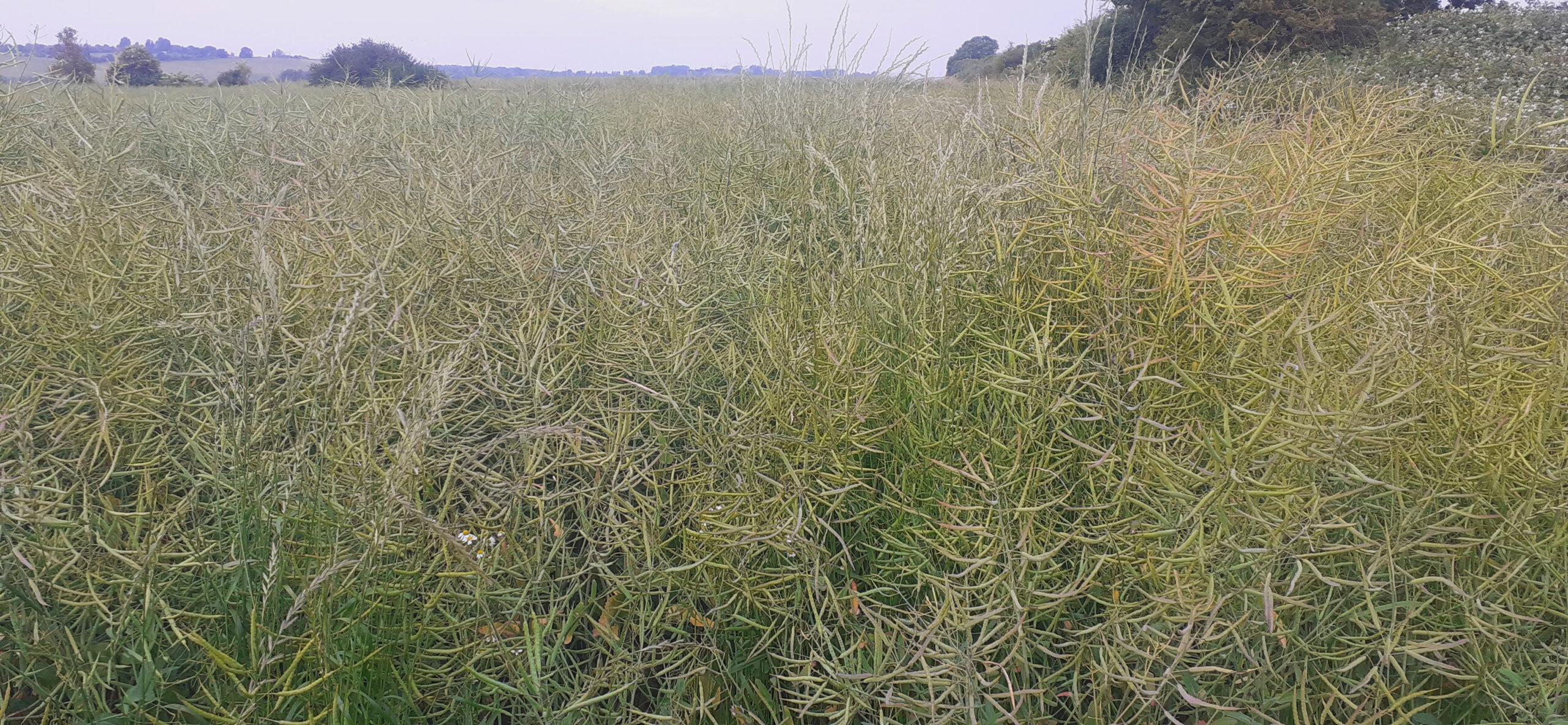
And I might still think that, if our rights of way network was properly maintained. But in some cases it’s not. Public footpaths and bridleways should be kept clear and open just the same as roads should be. If we complain about potholes then we should complain about broken styles, missing fingerposts, impenetrable crops and barbed-wire barriers.
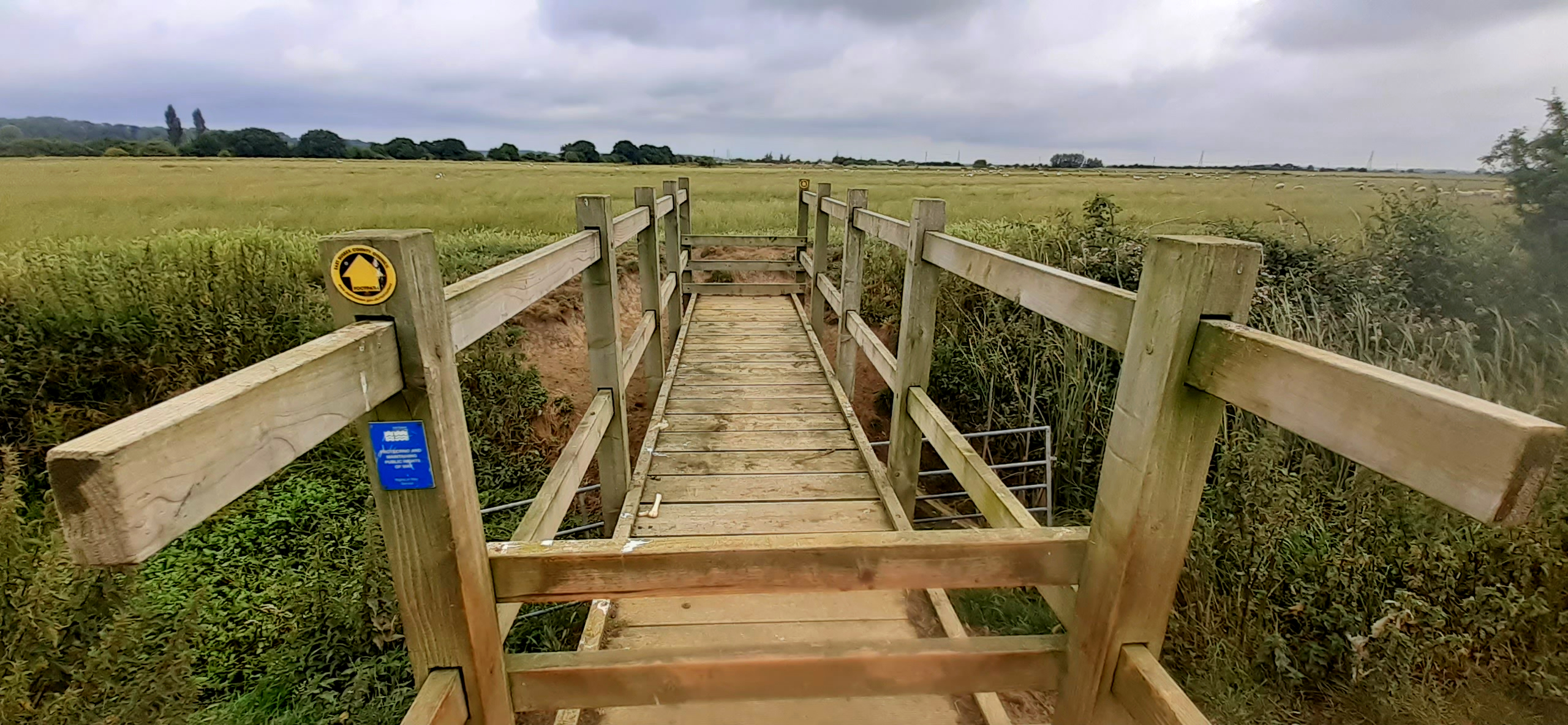
I know plenty of wonderful footpaths around Rye and some brilliant landowners and farmers who welcome you onto the land and offer excellent access, sometimes over and beyond their legal requirements, and I love them for that and respect their land all the more for it.
But, I’ve also spent many an unpleasant hour with my legal right of way blocked, wanting to do the right thing by following the footpath, or if that’s blocked tracing a field margin, but finding no way through.
If some landowners and local authorities (both have responsibilities) – and ultimately all of us – can’t be bothered to value and keep clear a narrow strip of land to allow walkers their legal right of passage then I think we’ve lost something vital and precious. Something very British.
Some walkers don’t stick to the rules and I totally understand landowners’ frustrations, especially on land close to towns, when some people wander where they shouldn’t and do things they shouldn’t. I’d hate to be tarred with that disrespectful brush.
But, if there’s no good reason to deny access to land then why do we?
The fly tippers, poachers and hare-coursers will get on that land by their nefarious means, whatever. They don’t adhere to waymarked paths. They don’t leave the gates as they find them. But most ramblers do. Ramblers are the least offensive and most polite people I know. They don’t just treat the land with respect, they help police the land. I can’t tell you the number of times I’ve alerted a farmer to an issue, helped them steer stray stock back into fields or pulled sheep onto their feet when they’re stuck on their backs.
I’m still of the opinion that rights of way ought to be enough, but if we can’t maintain them, then maybe it is time to just open up the land, let us go wherever we need to go to find our way across the countryside. Our countryside.
Our right to walk on legally identified paths and bridleways is fundamental to our understanding of the countryside and agriculture. Without a direct connection to the land how are we ever to understand, appreciate and value it?
I say invite us in, welcome us, work with us to make our rights of way better for everyone, as this land is ours.
Image Credits: David Bentley .
Walkers generally keep to paths if they are well marked and identifiable so landowners only really have themselves to blame if people wander off the route on to private land because footpath signs have ‘disappeared’ and stiles, bridges and gates are allowed to fall into disrepair. My pet hates are ploughed or cropped fields where no attempt is made by the landowner to reinstate the path and aggressive dogs who are ‘just protecting their property’! I would urge people to contact the Rights Of Way teams at East Sussex or Kent County Council if they encounter problems when walking because they have the means to address the matter. I find them quite responsive, even if it may take some time, although it is obvious that some issues are intractable. Public footpaths are a statutory right and we should make sure that right is maintained.
I have contacted the footpaths team several times over the last few years, and have yet to see anything that I reported get repaired or replaced—missing directional arrows, stiles altered (by whom?) to make them extremely difficult to climb over, pathways blocked with wire fencing… I was told during COVID lockdown that their budget was stretched quite thin and that they might not be able even to send anyone to take a look at the areas that I reported for six or eight months—and that was five years ago. Still waiting.
The footpaths in their current state make walking cross country challenging for able-bodied walkers — and completely impossible for anyone with the least impairment to their mobility. The countryside shouldn’t be something we look at through our car windows! People would love and respect the land around us more if they could get closer to it. I’m talking about the majority of us, not that small percentage who behave badly — and even they might improve if there were proper signage reminding people to shut gates, put their dogs on a lead, etc.
Taking up Judith’s theme, my pet hates are cattle grazing in fields where there are public footpaths, and stiles. Cattle because many people are terrified of them, and even those of us who aren’t are pretty apprehensive once they’ve been mobbed by a herd of them or had a frisky bovine charging at high speed toward them. Stiles because they are usually poorly maintained, making them difficult and often dangerous to climb. Both hazards can force walkers to take alternative routes and therefore trespass where we don’t want to trespass and cause damage we didn’t set out to cause. Interest in walking is increasing and more and more people are moving out to the country, so isn’t it time we worked out a new way for landowners and walkers to co-exist?
Yes, how dare farmers graze cattle on their own land, just in case someone wants to walk through it !!
Agriculture must be the only industry that allows literally anyone, 24/7, to walk through their place of work. No pre appointments, no supervision, no high viz, no hard hats.
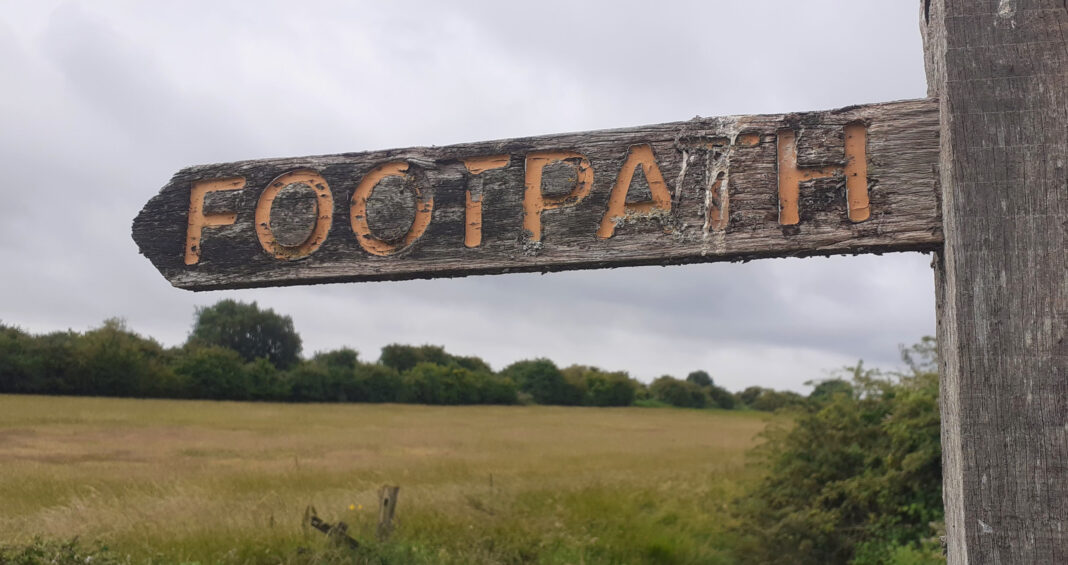
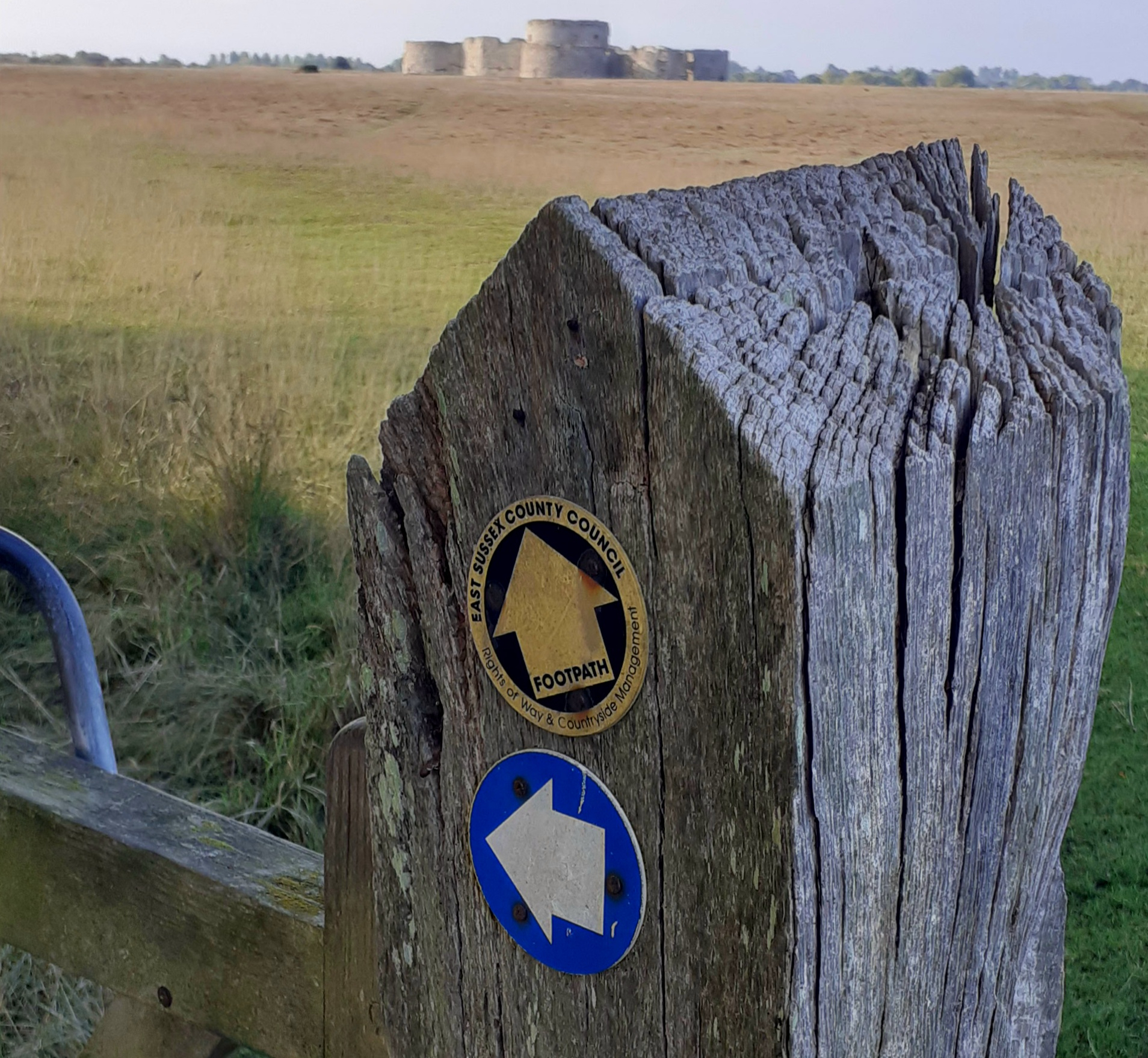
Throughout last winter there were cattle grazing right by where the footpath sign illustrated in this article is near Camber Castle. A feeding station was sited next to the concrete ruins nearby. This is right next to the bridle way where we can supposedly walk, cycle or ride horses, if it is possible. For much of the last winter the siting of that station encouraged the cattle to congregate in that area, which goes against government and NFU advice, among other bodies that say the same, to avoid siting them adjacent to rights of way. The cattle were often at the gates, which did put a lot of walkers off, the animals were young and very curious, at times they seemed to be hyper-active. The state of the bridle-path after a few months of this and regular vehicular journeys across that area left it looking rather like a film set for WW1 battle site. It was not in a fit state for any walkers who are slightly unsteady on their feet, some of the ruts were 2′ deep at least. I have photographic evidence. I’ve walked in that area regularly for years and have never seen cattle there for long periods before, or the bridle path vandalised in that way.
Nearby there is a public footpath that turns off of this bridle path, opposite the last few houses on New Winchelsea Road, it heads towards the NE corner of Castle Water, there have been no way-markers at either end of that section of footpath for a number of years. I have photos to prove this.
In the same area where the bridle way runs alongside the Royal Military Canal I was there with a group of walkers, 8-10 people in September last year, at a point referred to as Rye /11/1 track on the ESCC website. We saw a shepherd in a 4WD head towards Rye Harbour Road, driving several hundred sheep at speed. They must have seen where we were headed. A few seconds later she had turned the vehicle and herd around and they were headed towards us at even greater speed, just as we reached a bottleneck where the water courses and fences restrict the width of the area that you can move aside to. They were headed towards us at +20 mph, some of the group were backed up on the raised shingle bank above a 3-4m drop into a sewer, a few of us had got to the gate. I stepped towards the sheep and stopped them, with the intention of getting the other walkers to a safer spot, down alongside a fence, out of the path of the sheep, which had passed within 1′ of some of us at speed. It was a stampede and a mass of sheep means that they can’t all see where they’re going for all of he time. The shepherd speeded up and tooted her horn even more, causing the sheep to race past me.
I stopped the shepherd and asked her what she was doing, endangering walkers who had every right to be on the footpaths in that area and why she had not let us all get out of the way to safety. She said that she didn’t “have time to wait all day”. It would have required 20 seconds at the most to get us all to a safe spot.
Do any walkers wear hard hats on normal footpaths and bridleways? A suit of armour might be more appropriate with this type of threat to local people.
I’d like to state that I do also see very considerate landowners and well-signed, sound footpaths, but they tend to be managed by someone other than ESCC. I’ve had fairly quick responses from the councils when reporting over grown paths etc, but they were not so good with regard to the stampede of sheep.
The reality now is that Councils are very hard pressed for funds, and often not staffed enough to care for public rights of way on their own. In Hampshire great use is made of volunteers to look after paths. The Council has Community Engagement Rangers on the staff and their job is simply to organise, encourage and facilitate volunteers to help look after the paths. They get a far bigger bang for their buck this way and generally the paths are well looked after. In your area, the Ramblers Association may well have teams of volunteers that you can join, equipped with the tools and insurance to carry out the work.
I do understand the challenges of councils, however, money is spent on things that the local population don’t support. Houses have been built on every spare bit of land, so more rates, however, less services. This makes the footpaths we have left more precious. I sent through 6 issues last week, we must report everything that is unacceptable. Copy in your local councillors and MP.
There have been livestock kept on Castle Farm for many centuries, certainly before the Definitive maps showed designated Rights of Way.
Last winter and the winter before have been unusually wet with record rainfalls during the winter months. The cattle that were fed near to the Bridlepath had the feeders sited on concrete pads that are there to prevent further damage to the land while they are feeding.
We have many paths over our land and on Castle Farm we have added Permissive routes for the benefit of people who come to enjoy the countryside at any time of the year and make it easier to access RHNR without going on the main roads,
I would make one observation of many of the walkers I see in the winter and that is a large number of them are poorly prepared for walking in wet and muddy conditions and trainers are not an appropriate type of footwear.
The footpaths through Castle farm are probably the highest used paths of anywhere locally and can see a thousand people over a holiday weekend.
We don’t get any complaints and we don’t tell people who wander where they feel like to “Get Orf Our Land”!
In fact the majority of people are extremely complimentary of the ease of access and few signs and restrictions.
East Sussex County Council have confirmed to me that they contacted the farmer about the incident that I mentioned above that took place on 09.09.25. After I had made a complaint to the Rights of Way department about the shepherd’s reckless behaviour towards us.