


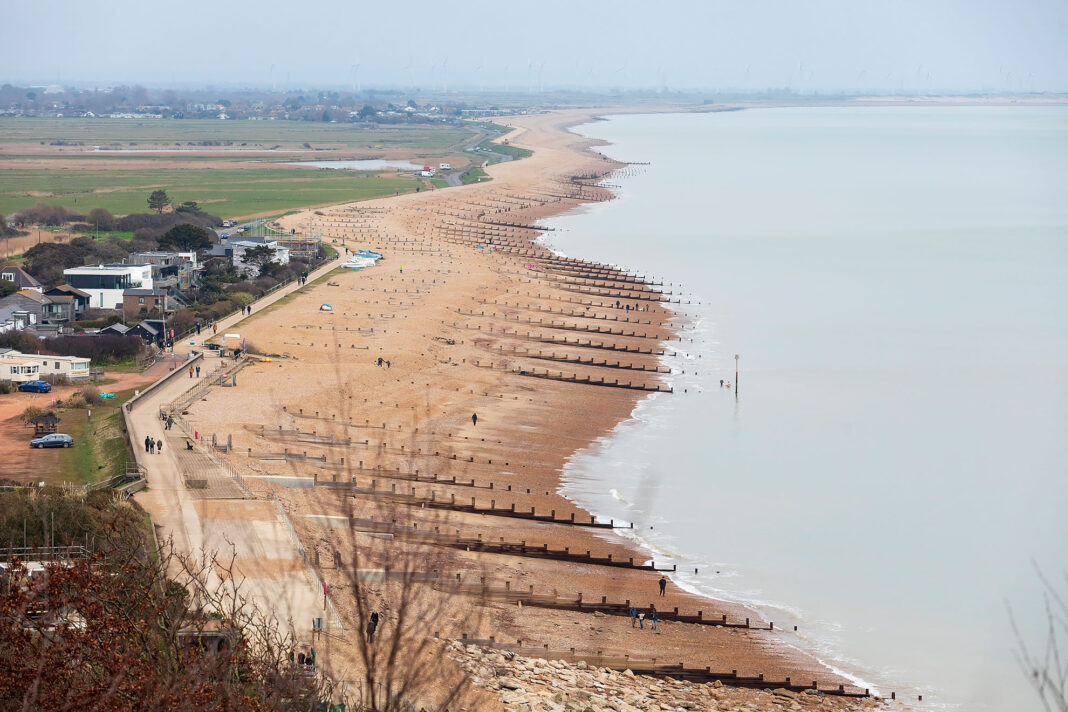
The King Charles III England Coast Path, the longest continuous coastal path in the world, was officially launched on Thursday 19 March by His Majesty the King at an event held at Seven Sisters in Sussex.
The coast path hugs England’s South and South East coasts, with plenty already open to explore. Starting at Selsey Bill, it sweeps through classic seaside spots like Bognor Regis, Worthing, and Brighton, before climbing the stunning Sussex cliffs (Seven Sisters and Beachy Head) to Eastbourne. From there, it winds through Hastings, the wild shingle of Dungeness, and Kent’s charming coastal towns, finishing at Woolwich where it meets the Thames Path.
To the west, the route runs from Southampton to West Wittering, taking in Portsmouth Historic Dockyard, the shingle beaches of Hayling Island, and the estuarine habitats of Langstone and Chichester Harbours. There is also 26 miles of the coast path open on the Isle of Wight, including a 12-mile stretch between Chilton Chine and Colwell Chine offering dramatic views of The Needles.
In total, 1,000 miles of new path has been created and 1,700 miles improved around the country, allowing people to walk the beautiful headlands, cliffs, beaches and dunes that make up the English coast. New signage and infrastructure such as bridges and boardwalks have been installed, helping to make the path accessible to all, regardless of age or mobility.
All new and existing paths are now of National Trail standard and will help to attract more income from tourism for coastal communities as people come to visit the path.
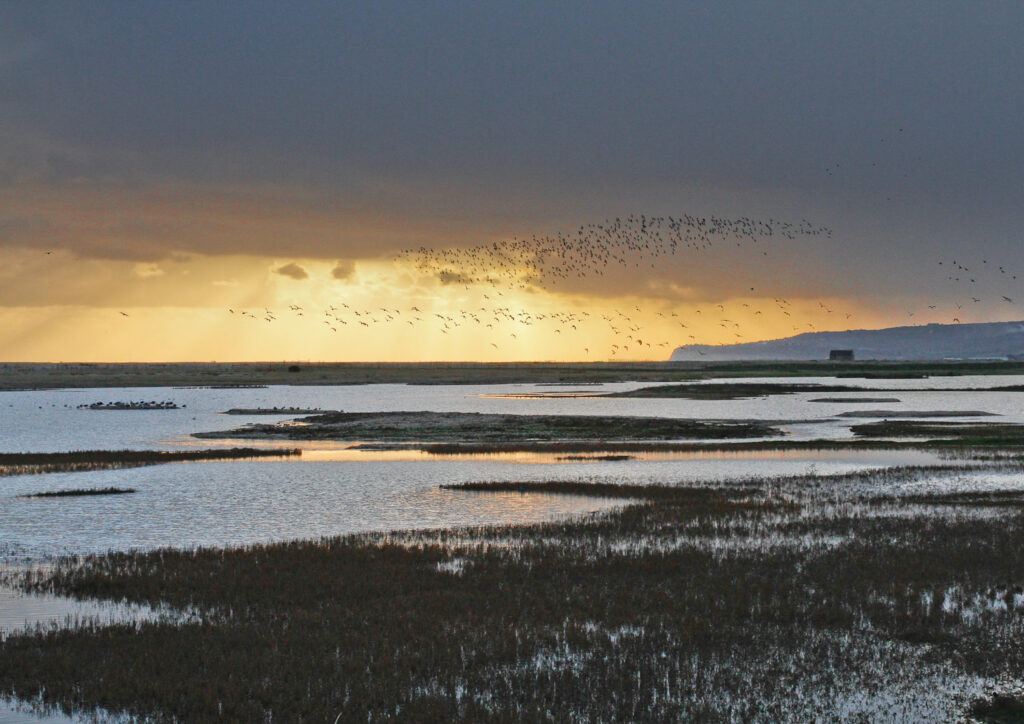
His Majesty was accompanied on the walk by the Chair of Natural England, Tony Juniper, and the Environment Secretary, Emma Reynolds.
Tony Juniper said, “Following 16 years of hard work from the Natural England team we are delighted to reach this landmark point for the King Charles III England Coast Path. It is testament to how public enjoyment, conservation, heritage, history and community can come together, helping make life better for millions of people. It also presents a fitting tribute to His Majesty’s lifelong contribution to the natural world.
“Through this incredible national trail, people from around the country and around the world will be able to enjoy the natural beauty of the English Coast and the feelings of wellbeing that this brings. It will reconnect people with the outdoors, support nature recovery, provide economic benefits and create a more inclusive, sustainable future.”
Environment Secretary Emma Reynolds said, “We have one of the most stunning coastlines in the world and the King Charles III England Coast Path gives people a new way to explore it.
“This is the longest managed coast path in the world, creating amazing opportunities for people to visit spots of natural beauty in our coastal towns and villages.”
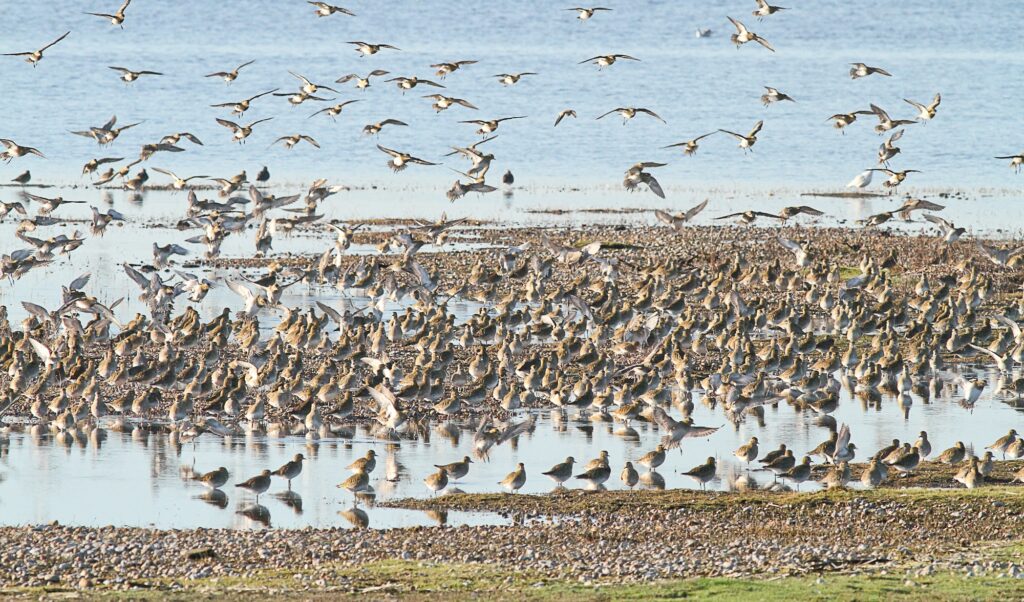
One of the key features of the King Charles III England Coast Path is its ability to ‘rollback’ with coastal erosion. This means that the path can be easily moved inland to adapt to the changing shape of the coast and ensure access rights remain in place for the future.
This launch is the culmination of more than 16 years of work from Natural England and over 50 coastal local authorities, landowners and others across the country, including Wildlife Trusts, the National Trust and access organisations such as the Ramblers Association, Disabled Ramblers and British Mountaineering Council.
The event kicks off a year of celebration of our coast with a range of visitor experiences being made available across the year.
A map of the local section of the path can be found here.
Image Credits: Explore Kent & East Sussex County Council , Barry Yates .
Interesting that the map seems to show a gap in Rye between Rye Harbour and Camber!!
Well spotted Peter! I followed the trail to this link:
https://www.nationaltrail.co.uk/en_GB/trails/england-coast-path-south-east/
Where it states: “… The trail then enters Rye Harbour Nature Reserve on a quiet access road that runs beside its wide shingle beach. Access to the beach from the road is along boardwalks to protect the fragile shingle habitat, which supports rare plants and insects. Inland of the trail, there are nature trails leading to hides for watching the birdlife using the fresh-water lagoons on the Reserve. The access road continues to the mouth of the River Rother where you can look over to the sandy expanses of Camber Sands beach. Turning inland, past a very photographed red-roofed shed (used by shrimpers) and Sussex Wildlife Trust’s Discovery Centre (with café, loos and shop), the trail finishes at Rye Harbour village, which offers boat trips and eateries as well as good views over the river.
At the moment the trail stops at Rye Harbour. You can catch a bus into Rye, and another on to Camber Sands to continue the walk. The journey takes about 8 minutes, with 15-20 minutes for the connection in Rye. See the Stagecoach journey planner for more information.”
I imagine many bus passengers will be looking forwarded to catching a glimpse of His Majesty riding alongside them both into and out of Rye along his [largely] unbroken walking path!
Yes Peter, sadly people have to walk the long way round away from the coast, years ago a ferry took passengers across the river to camber, would be nice to see it reinstated.
I also remember the ferry and old chap called Sally running a rowing boat, the ferry.
Operated according to tides from the slipway at Rye Harbour which probably, over time, ceased to become popular. Agreed, it would be good to see it reinstated but I guess for Healthy and Safety reasons would be too costly.
My last job, before I retired, was working on the England Coast path between Eastbourne and Camber Sands. I’m assured by my former colleagues that the missing bit is coming as I promised the Town Council at a presentation I gave them, when working for Natural England, some years ago.
Walking from Rye Harbour to Camber Sands means crossing a main road at some point and this was always the stumbling point when planing the walk.
You can walk safely on the left hand side of the road all the way from the Harbour to the junction at the A259 but once you get there you have to cross a very busy uncontrolled junction which at busy times can be a life in your hands experience.
Good luck getting a bus from the Harbour to Camber on busy Sunday in the summer.